In-Situ and on-line measurements in difficult environments
In difficult (harsh, corrosive or very hot) for measurements environments there is no “on-shelf” solution. We offer time-proven practical solutions suitable for accurate measurements in those environments.
The measurements include in-situ gas and particle temperature and major/minor gas composition profiling alone and across flames and boilers with use of water-cooled probes. 2D particle velocity fields and in-situ fast particle imaging are possible with use of LDA-based and proprietary-developed 2D particle imaging techniques, respectively. Selected applications cases include measurements in combustion, gasification, stone melting, thermal plasmas environments.
Combustion and gasification
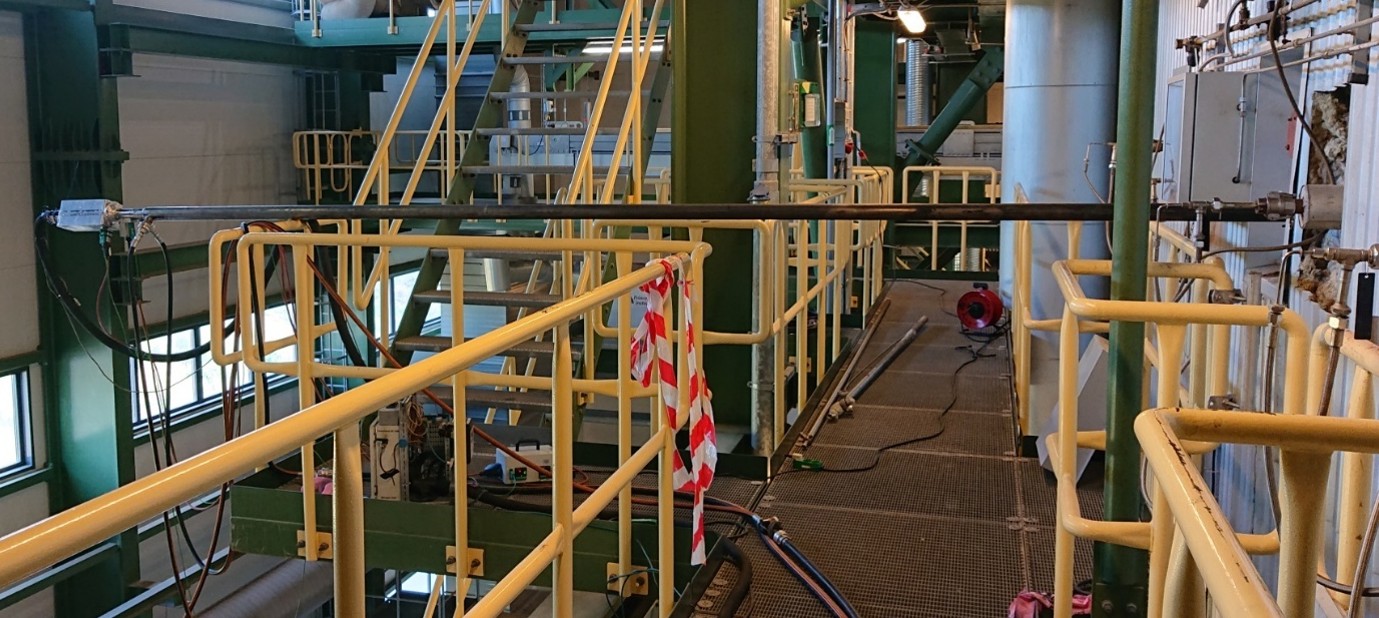
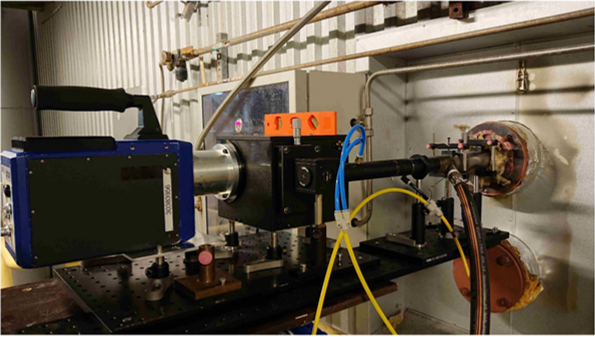
For combustion measurements, gas extraction probes up to 6 m long are available. On-line gas measurements are done with use an adjusted to a particular application proprietary developed gas analyzer. In-flame in situ local gas temperature measurements can be done with a proprietary developed measurement system which consists of a water-cooled optical probe and a fast spectroscopy-based analyzer.

Stack gas measurements
Stack gas measurements are of importance for environmental regulations. The measurements typically include particle matter (PM), gas composition and gas opacity. The measurements can be done continuously either directly across the stack or by gas bypassing through our measurement system at the same temperature as the stack temperature. PM relative measurements include PAH’s, VOC’s, nano-OGC, soot and aerosols.

Stone wool production
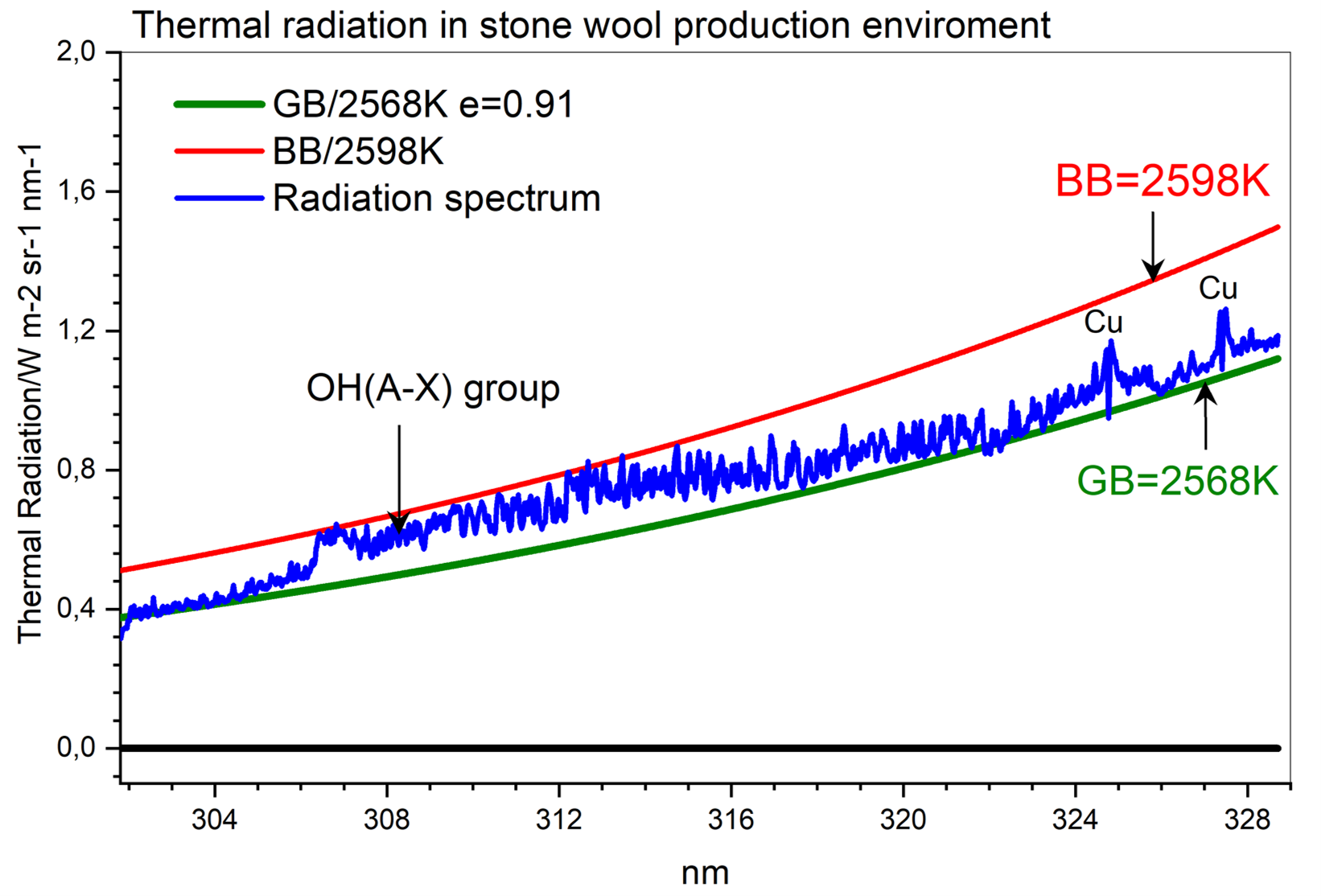
Stone melting and steel production are highly energy consuming processes and therefore process optimization is a must. Stone wool production requires a very high and uniform temperature distribution in a melting unit and measurements in that environment are extremely difficult and can only be done for a very short period of time. We adopted our early developed single-line-of-sight measurement technique to the stone wool production. An example of fast in-situ single line-of-sight measurements is shown in Figure below. The measurements confirm that the temperature in the melting unit is quite uniform and lies around 2585 K. The difference between gas and particle temperatures is just about 30 K. Small temperature non-uniformities across the unit are clearly seen because of a self-inversion in Cu emission lines.
Thermal Plasmas
Use of thermal plasma in high temperature volume production has got significant interest in recent years because of the possibility to use electricity instead of fossil fuels.
Industrial thermal plasma plumes are characterized by very high temperatures (up to about 10,000 K) and varied from few kW to few MW of applied power. Profiling of the plume temperature and electron density are important for characterization of the plumes, and both need to be taken into account for a successful integration of the plasma torches in the customer’s volume production process.
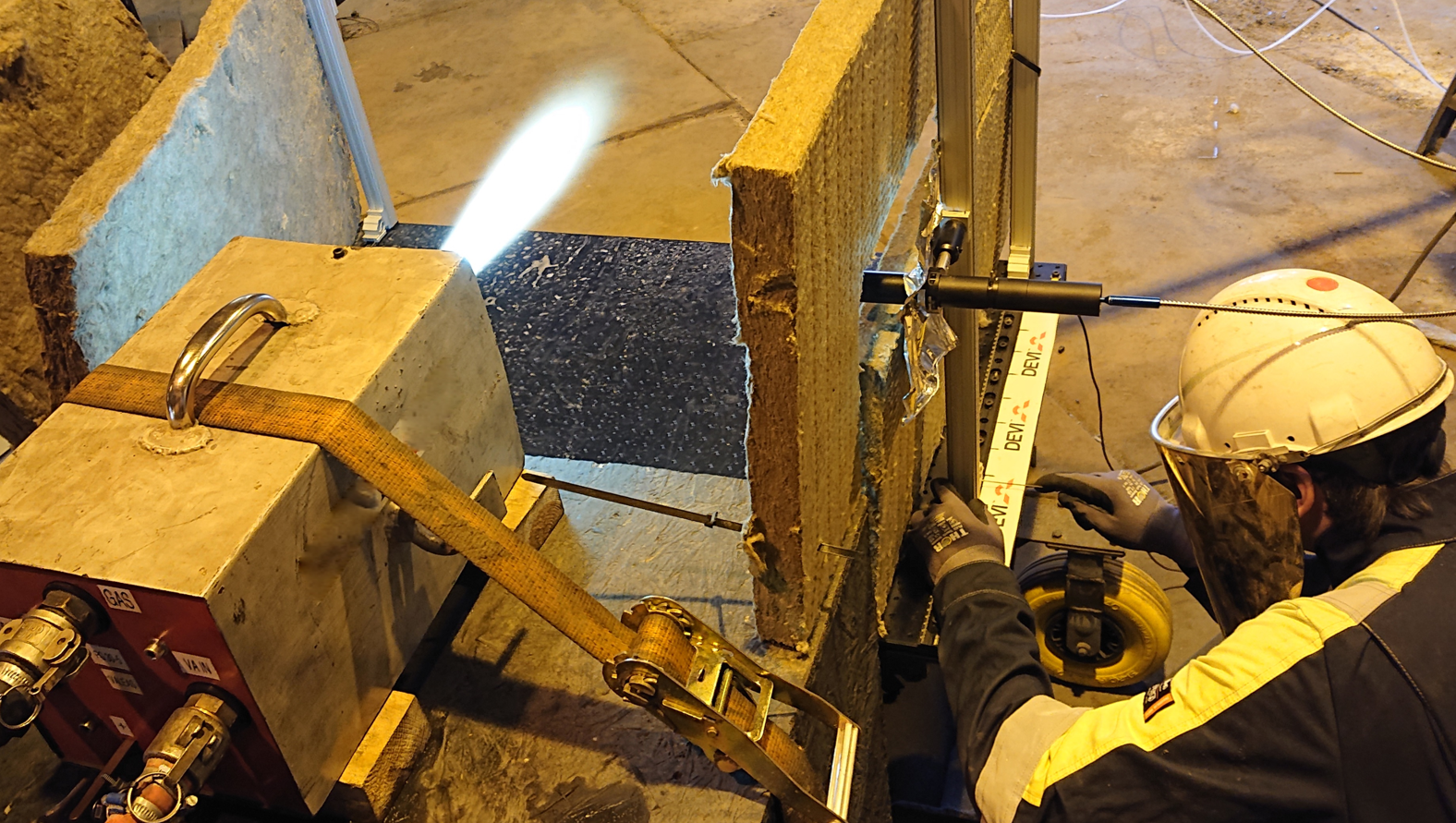
We have developed measurement methods and data analysis tools for real-time plasma plume temperature, electron density and radiation measurements suitable for industrial scale thermal plasma faculties.
Contact
If you want to hear more or interested to discuss your high-temperature application or gas/PM emissions?
Alexander Fateev Senior Scientist Department of Chemical and Biochemical Engineering Mobile: 2365 2906 alfa@kt.dtu.dk